Origins
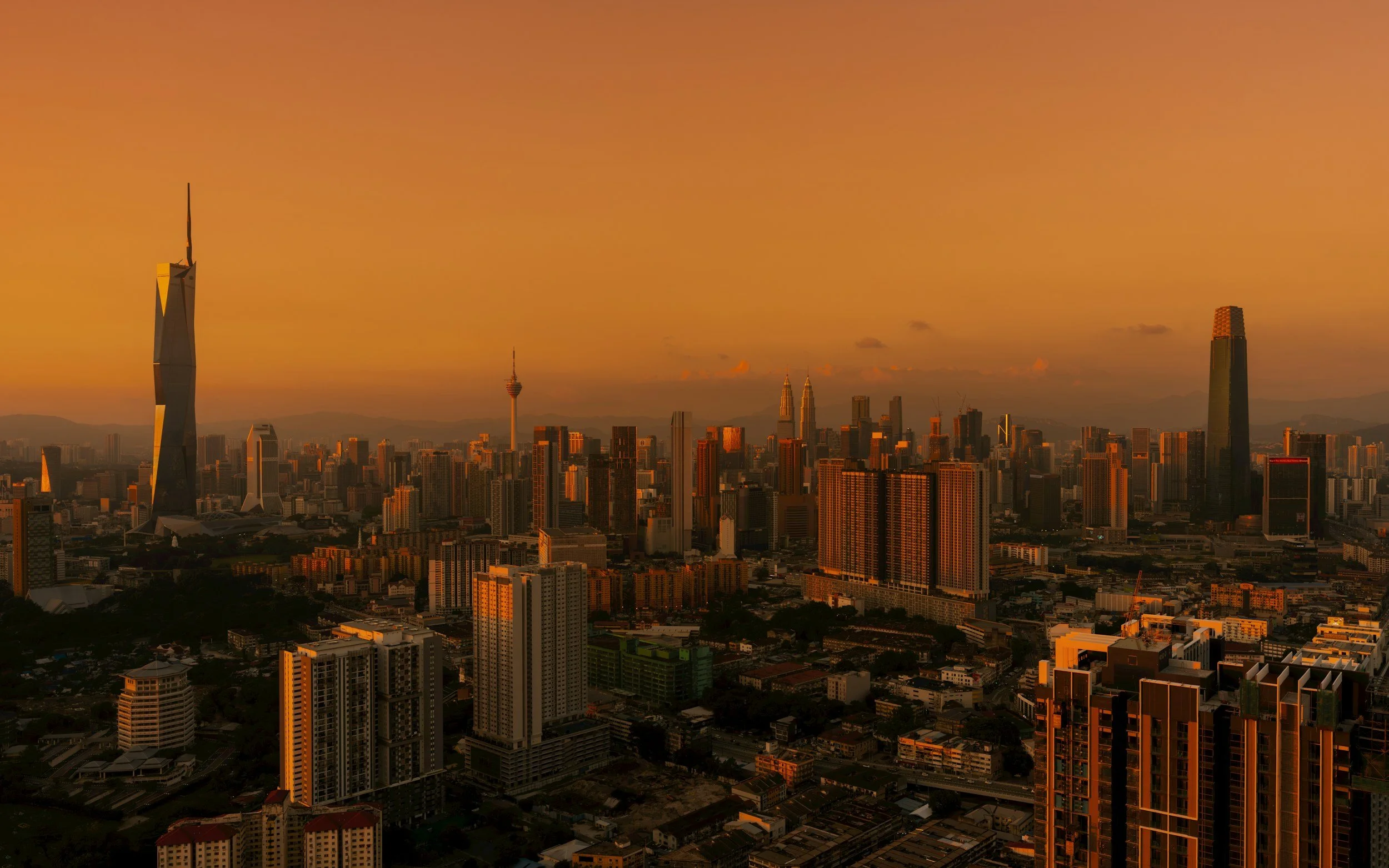
In 2025, East African filmmaker Patience Nitumwesiga and poet-musician Phil Wilmot arrived in South Africa as their acclaimed film The Woman Who Poked The Leopard was making its debut. They landed at the family home of two organizers who had met in the 70s while conscientizing mineworkers. These four then lived together in the activist haven neighborhood of Kensington, Johannesburg — at this historical home, bizarrely built like others in its locale, of Oregon Pine imported over a century ago. For generations, this house has raised children and offered hospitality to many comrades from the Palestinian struggle, trade unions, and resistance movements throughout the world.
Resistance legacy
The neighborhood of Kensington, Johannesburg has a unique history. The San hunter-gatherers are the earliest known residents of the soil. (The region is also home to UNESCO World Heritage Site, the Cradle of Humankind, with roughly 40% of all known human ancestor fossils and some of the earliest signs of human-controlled use of fire.) In the late 19th century, a massive gold rush saw a swarm into the area. Many trees were planted to assist human settlement, and soon Johannesburg would be referred to as the world’s largest artificial forest, in addition to eventually becoming the world’s biggest city not situated on a river, lake, or coastline. (Most of its water supply is delivered across 500 miles from the highlands of Lesotho.)
Kensington was one of the neighborhoods that colonial extractivists set up to avoid the rough air quality from the many nearby mines — hence the jacaranda trees and other foliage brimming above the streets to guard the respite of their human residents. It was a whites-only suburb (although its founder himself was part of the resistance against the Boer government), a stone’s throw from Ghandi’s family home and law offices in Troyeville. Following the dissolution of the apartheid state in 1994, Kensington quickly became a mixed-demographic neighborhood. For some generations now, it has become home to many activists, writers, artists, and others of diverse races, religions, social classes, and backgrounds. The Kensington Palestine Solidarity Group is among the most active syndicates in the neighborhood and in the city broadly. Nearly every block has an active residents group to jointly govern neighborhood issues. It is common to pool money to pay for services that the community collectively deems helpful. Kensington is also well-known commercially for its antique stores, often sought by film set designers, and its diverse cuisine — Ethiopian, South Asian, and Portuguese among others.
Nitu & Phil
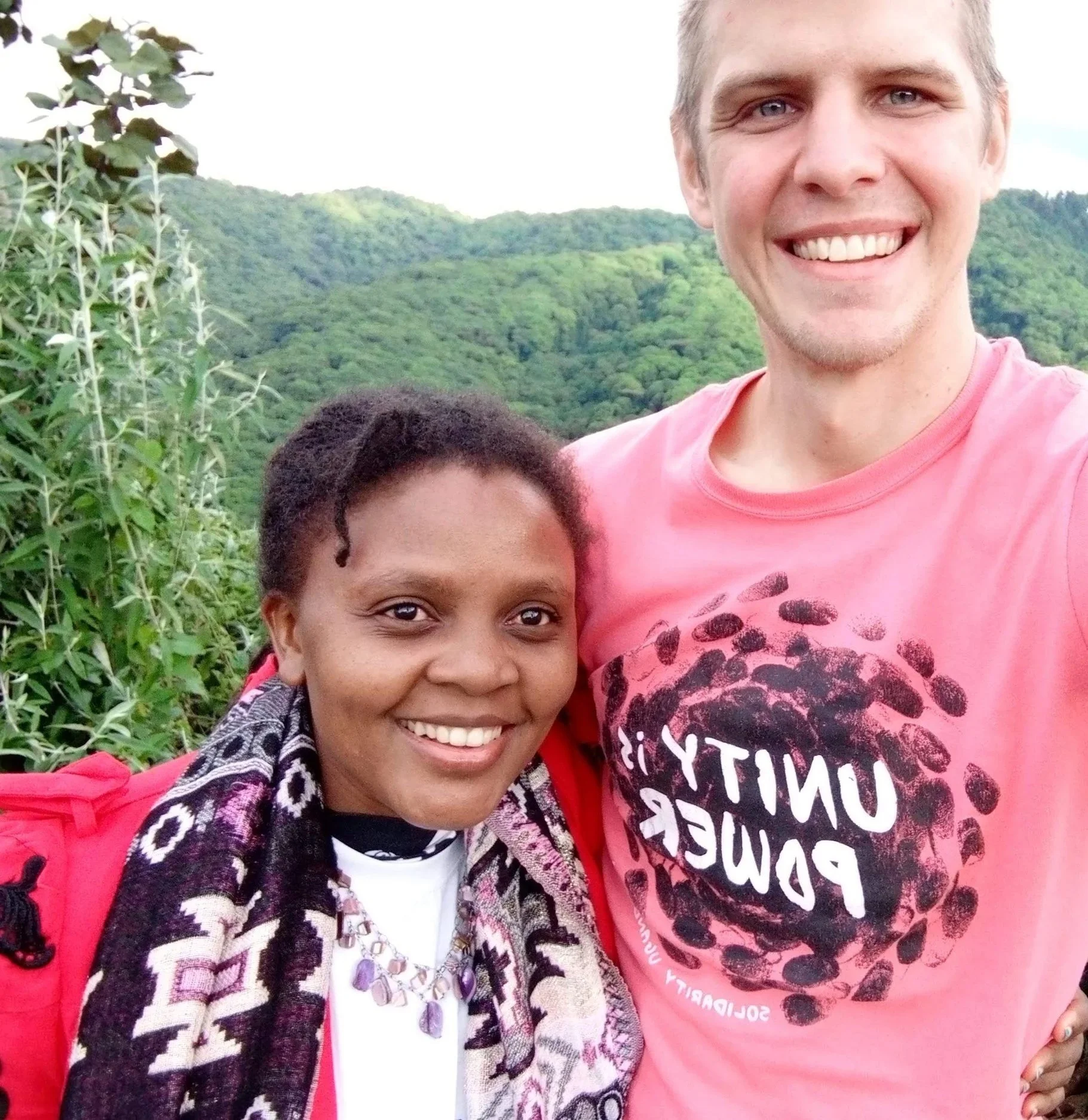
Nitu and Phil decided to carry on the tradition of this home by opening it to likeminded artists (of all disciplines), writers, researchers, and people near and far looking for a place to concentrate on their craft in a combination of solitude and good company.
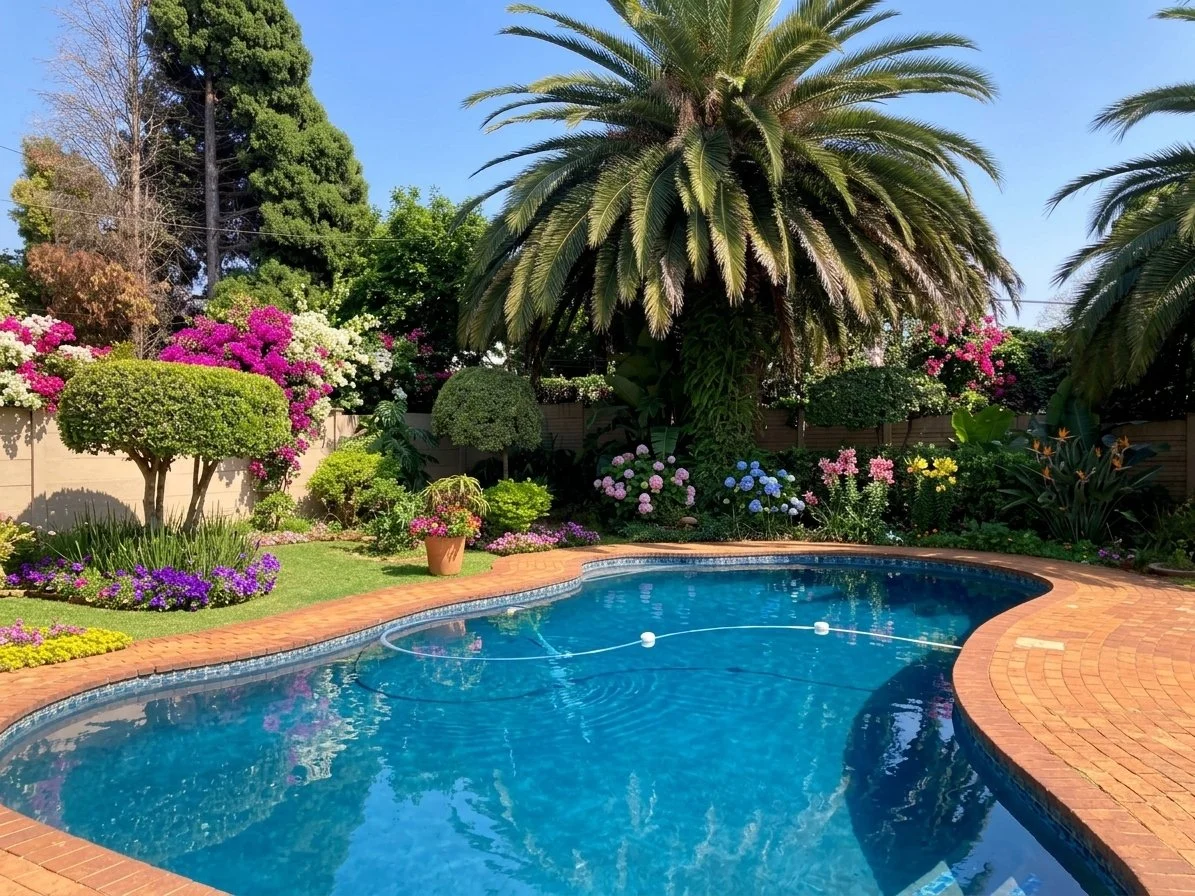
Nitu & Phil gathered community support to purchase the Amathongo property and develop a residency for creatives, thinkers, and doers — people like them who need a safe space to concentrate on their craft, a space with a combination of privacy, good company, and the infrastructure to excel in filmmaking, artistic production, music, writing, activism, community organizing, or research.
Nitu & Phil live at the residency whenever they are not on the job elsewhere in the world. They enjoy hosting guests, friends, and newcomers. Their network of friends, neighbors, comrades, and colleagues are involved in various working groups that support the sustenance and development of the residency.
Join our mailing list
Now and then, we’ll send you correspondence collectively produced by the wonderful huemans that come through Amathongo Haus. Updates on projects, interviews, field notes, and things of that nature.